
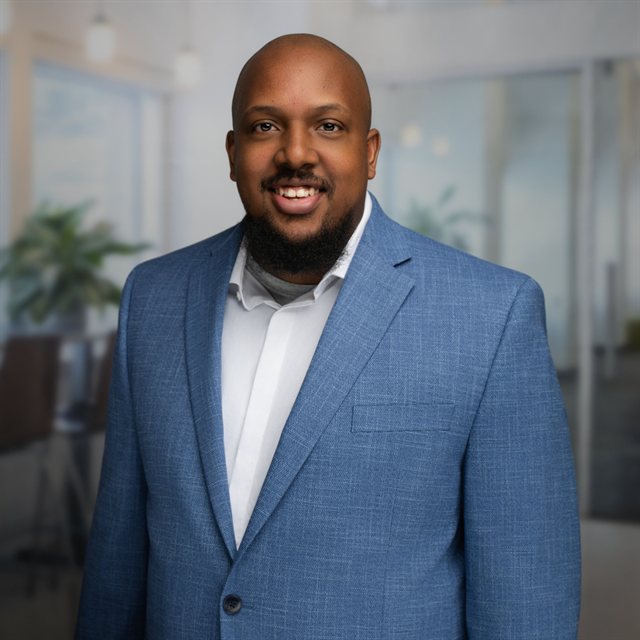
Dr. Earl W. Huff, Jr.
Director & Principal Investigator
We partner with the people AI too often leaves out — students with disabilities, older adults, and the educators who support them — designing, developing, and evaluating tools that are accessible from the ground up rather than retrofitted after the fact.
We are the HALO Lab — Human-centered AI for Learning & access Outcomes — housed in the Department of Information (iSchool) within the School of Computing at The University of Texas at Austin. We partner with the people AI too often leaves out: students with disabilities, older adults, and the educators who support them.
Our research sits at the intersection of human–computer interaction, human–AI interaction, and learning technologies. Using participatory and co-design methods, we design, develop, and evaluate AI-driven tools that are accessible from the ground up, not retrofitted after the fact.
Our work spans two connected goals: making education accessible for learners with disabilities across the full arc of lifelong learning, and making AI technology itself more ethical, trustworthy, and adoptable for the people who stand to benefit from it most.
The lab was previously known as the REALITY Lab; earlier work may appear under that name.
See how this shapes our researchOur projects differ in method and setting, but each one belongs to one of these three lines of work — and most of them speak to more than one.
AI-powered learning tools built accessible from the ground up: course-specific tutors, learning management systems co-designed with blind and low-vision teachers and students, and evaluations against accessibility standards and Universal Design for Learning.
Read more 02How chatbots, literacy tools, and interface design choices support learning, independence, and trust for populations mainstream AI overlooks — with a particular focus on older adults.
Read more 03Co-design with the people a technology affects, and the practical question of what responsible adoption requires: transparency, human-in-the-loop safeguards, data governance, and guardrails that support learning rather than replace it.
Read moreHALO sits at the intersection of human–computer interaction, human–AI interaction, and learning technologies. In practice that means our collaborators are as likely to be students, older adults, and classroom educators as they are to be computer scientists.
HALO brings together information science, computer science, software architecture, and design, with learning technologies running through all of it. That range is deliberate: these questions sit in the gaps between fields.
Director & Principal Investigator
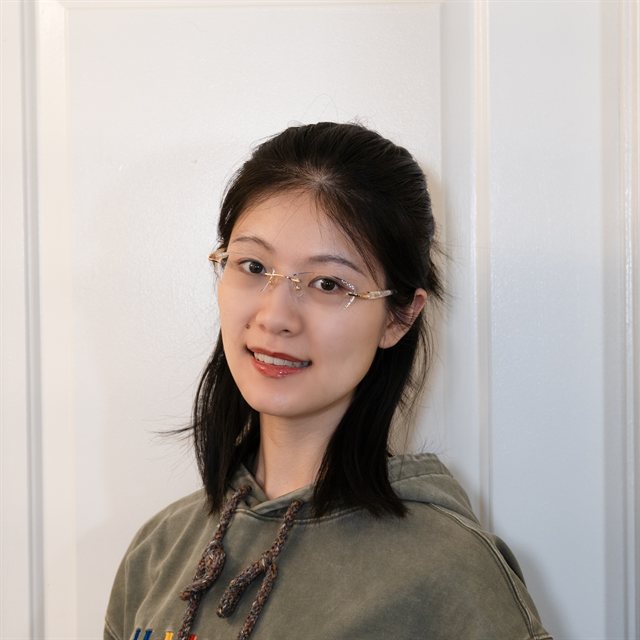
Doctoral Student

Doctoral Student

Research Fellow
We welcome prospective graduate students, undergraduate researchers, and collaborators who care about access as much as they care about the technology.